About Me
I'm Amos, a passionate Mobile Developer with 5+ years of experience crafting high-performance applications. My expertise spans native Android development and cross-platform solutions, with a focus on creating intuitive user experiences and scalable architectures. I thrive in remote environments and have successfully delivered projects for clients worldwide.
My Technical Toolkit
What I Do
Quality services tailored to your needs
UI Design
Passionate UI designer with a knack for creating visually appealing and user-friendly interfaces. I combine aesthetics with functionality to deliver engaging experiences that meet user needs. Skilled in tools like Figma and Adobe XD, I thrive on collaboration and feedback to refine designs.
Web Development
Detail-oriented web developer with a passion for building responsive and dynamic websites. I specialize in modern frameworks, ensuring seamless user experiences across all devices. Committed to clean code and best practices, I enjoy collaborating to bring ideas to life.
App Development
Innovative app developer focused on creating user-friendly mobile applications for iOS and Android. Proficient in modern technologies, I design and build seamless experiences that prioritize functionality and aesthetics. Let's turn your app ideas into reality!
Technical Skills
Technical Skills
Professional Skills
Education & Experience
Education
Computer Science From College
At College, I honed my skills in Computer Science, engaged in hands-on projects, and collaborated with peers to foster a dynamic learning environment.
Web Design From Udemy
Through Udemy, I expanded my knowledge in Web Designing, completing courses on web development, including Node.js backend.
Flutter Mobile Development From Coursera
In Coursera, I expanded my knowledge in Flutter App Development, completing courses on Android & iOS development.
Mobile Developer From Google Developers
Currently studying Mobile Development, I am deepening my understanding of Software Engineering. Engaging in hands-on projects and collaborative learning.
Work Experience
UI/UX Designer Freelancing
Responsibilities:
Figma Design, Adobe XD Design
Web Design Contract
Responsibilities:
Web Design, Node.js Backend Development
Android App Development Freelancing
Responsibilities:
Android, Android App Development (Native)
Mobile App Development On work
Responsibilities:
Flutter App Development, Social App Integration
Featured Projects
Highlighted works showcasing my expertise
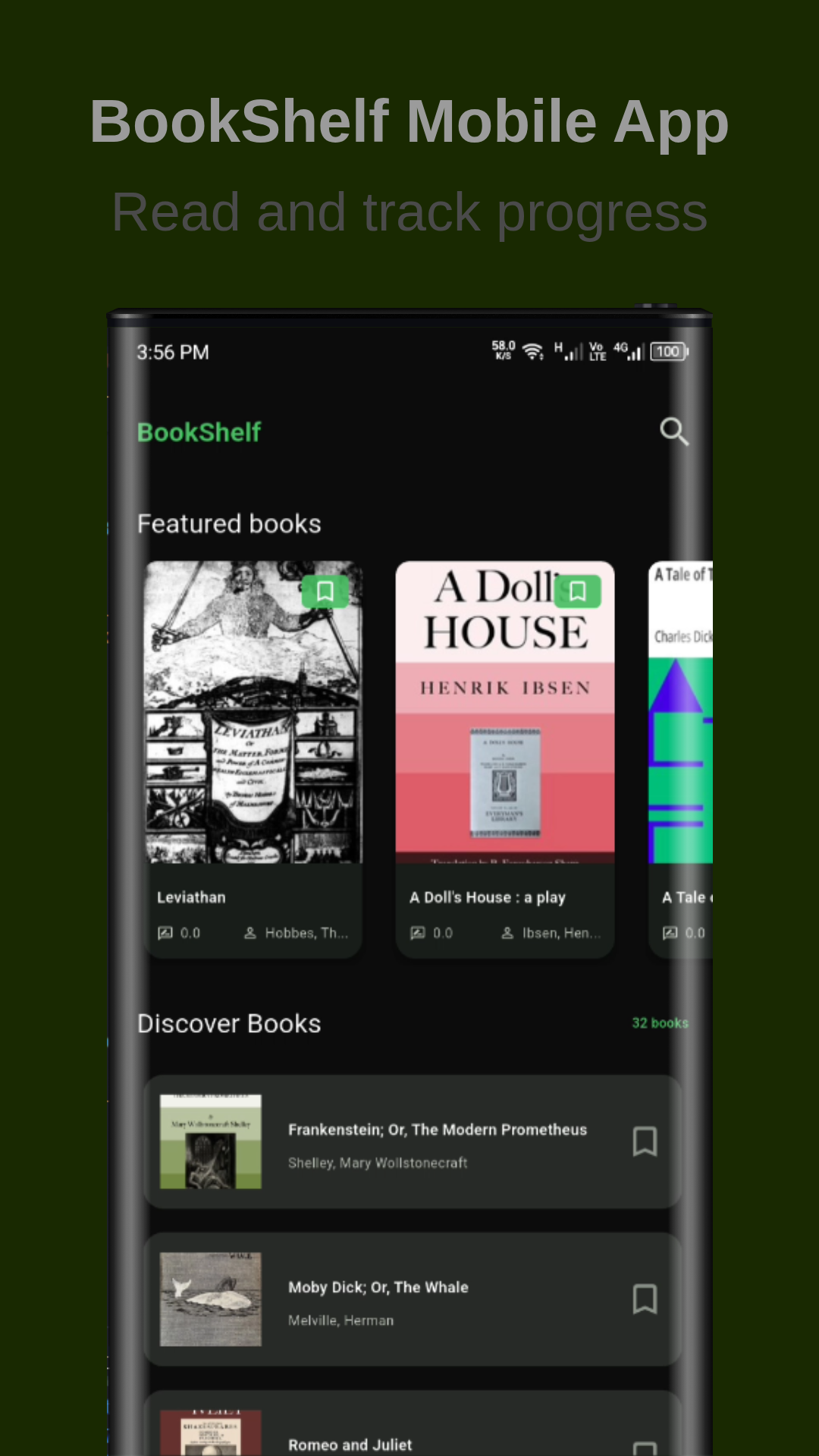
BookShelf Mobile App
A modern Flutter application for discovering, managing, and reading digital books, provides interface for browsing books from digital libraries.
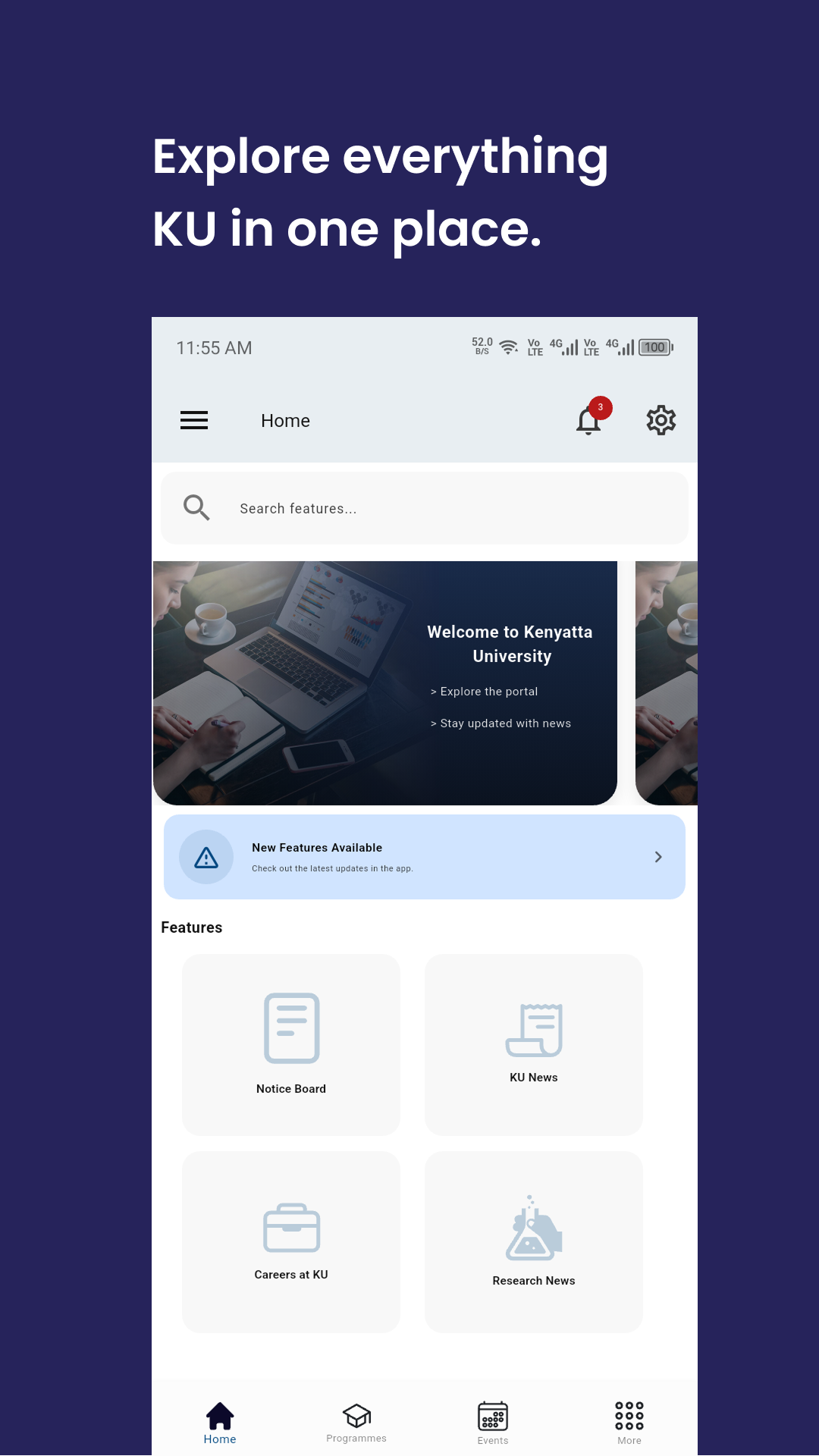
KU University App
This application Kenyatta University is developed to provide students, staff, and visitors with convenient access to official university events, announcements, and news published on the university's main website.
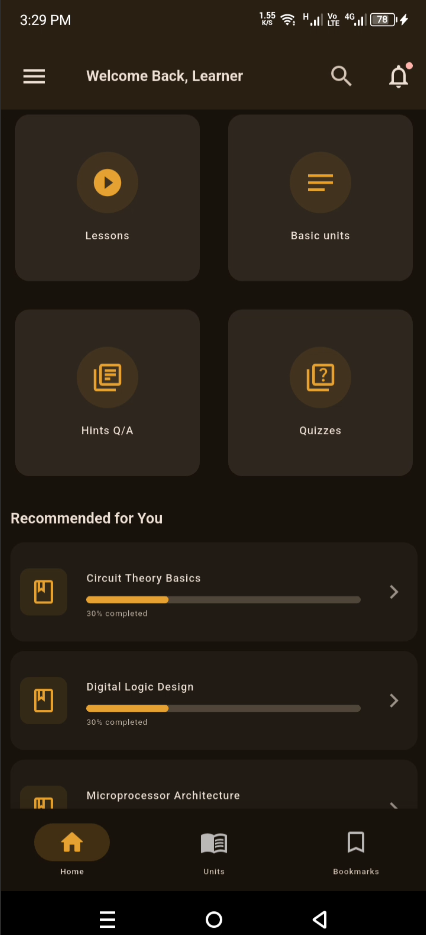
Assessor-cdacc
Smart Notes for CDACC Students. A focused learning app designed for TVET students. Access structured CDACC notes, revise efficiently, and prepare confidently — all in one lightweight, free app.
Recent Portfolio
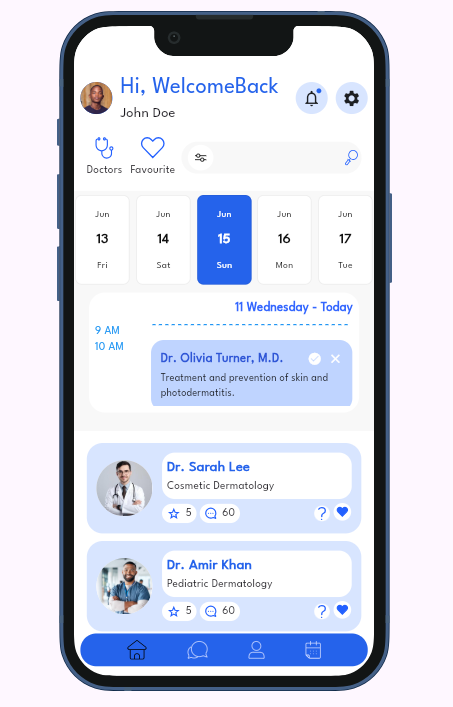
Flutter Dermatology App
Medical app for dermatology consultations
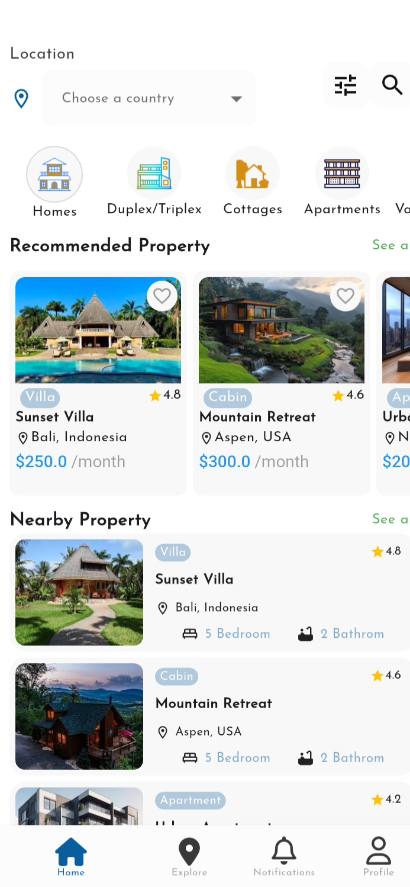
Maskani App
Property management for tenants and landlords
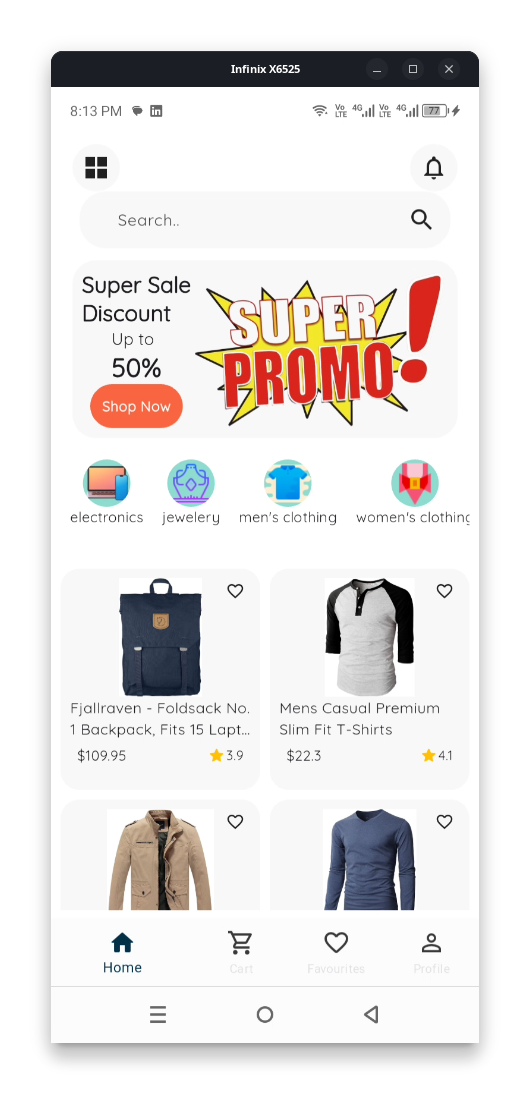
E-commerce App
Shopping app with Mobx state management
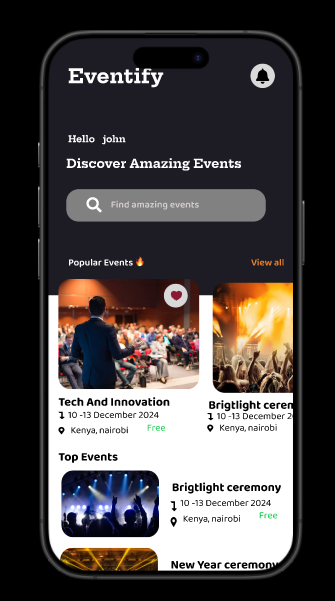
Eventify App
Real-time event management application
Certifications & Achievements
Professional credentials and notable accomplishments
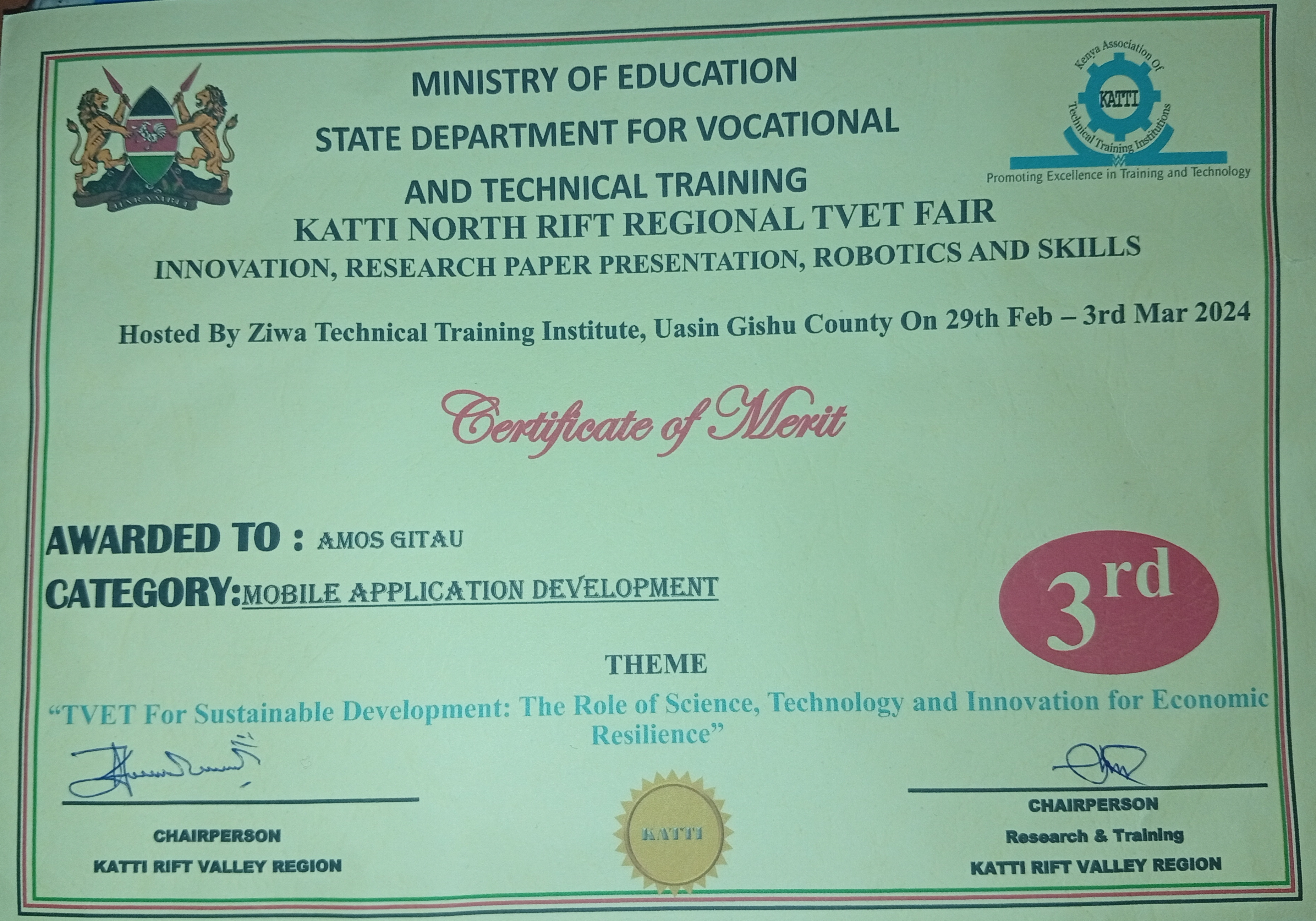
Mobile Skills Award
Demonstrated expertise in developing and maintaining mobile applications.
 View Credential
Google Play Store Certificate
Validated skills in digital mobile marketing best practices for building store listings in Google Play Console.
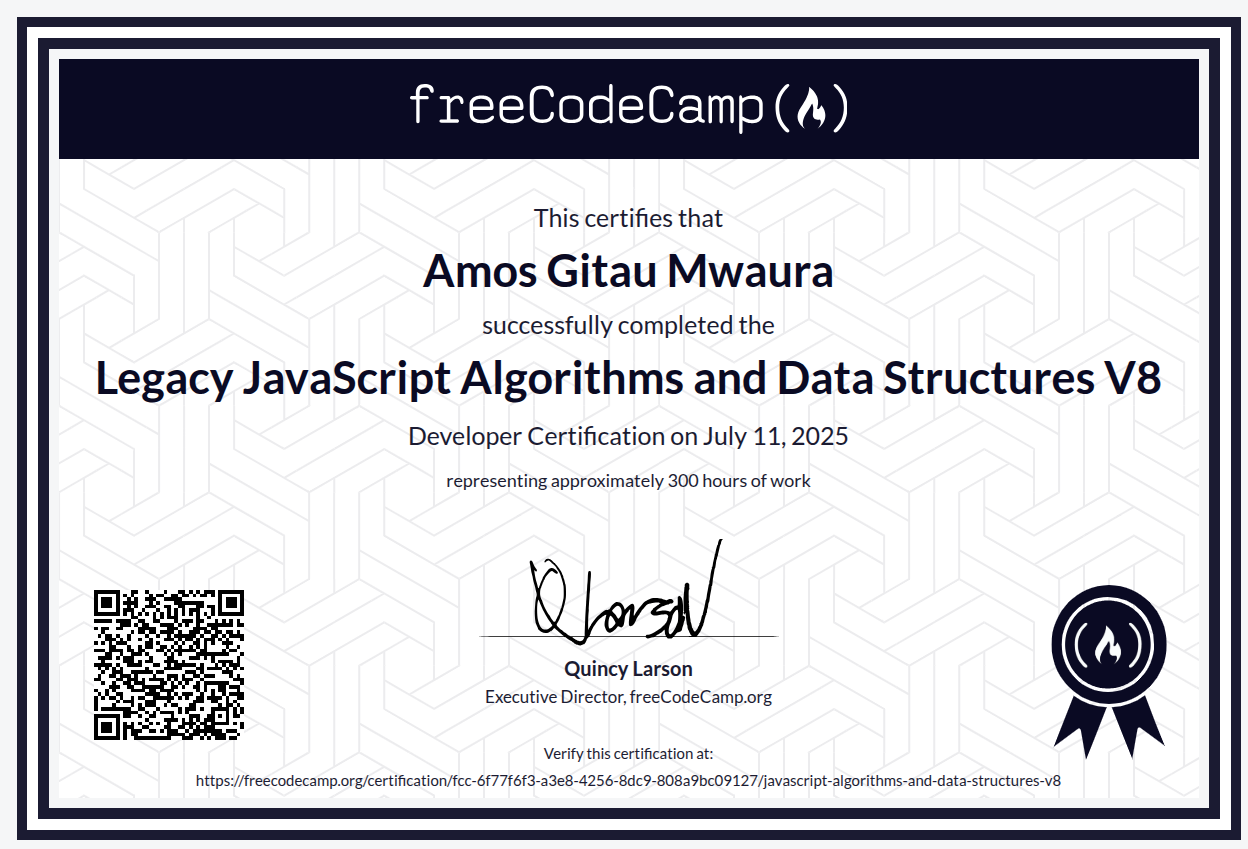
Javascript Certification
Certified JavaScript Developer from JavaScript Institute.
 View Credential
Let's Connect
mosigitau@mosigitau.com
Nairobi, Kenya